Principal Investigator
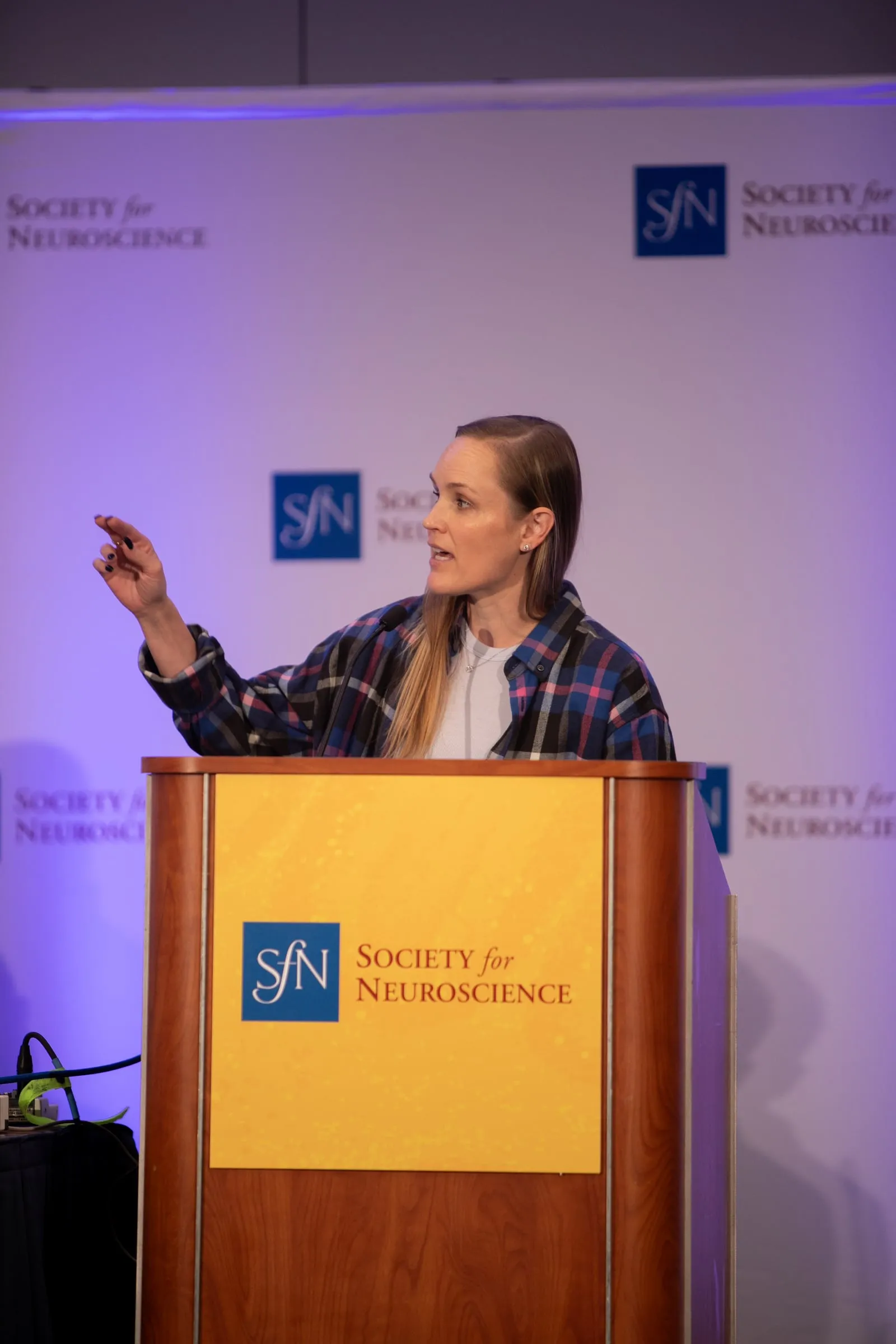
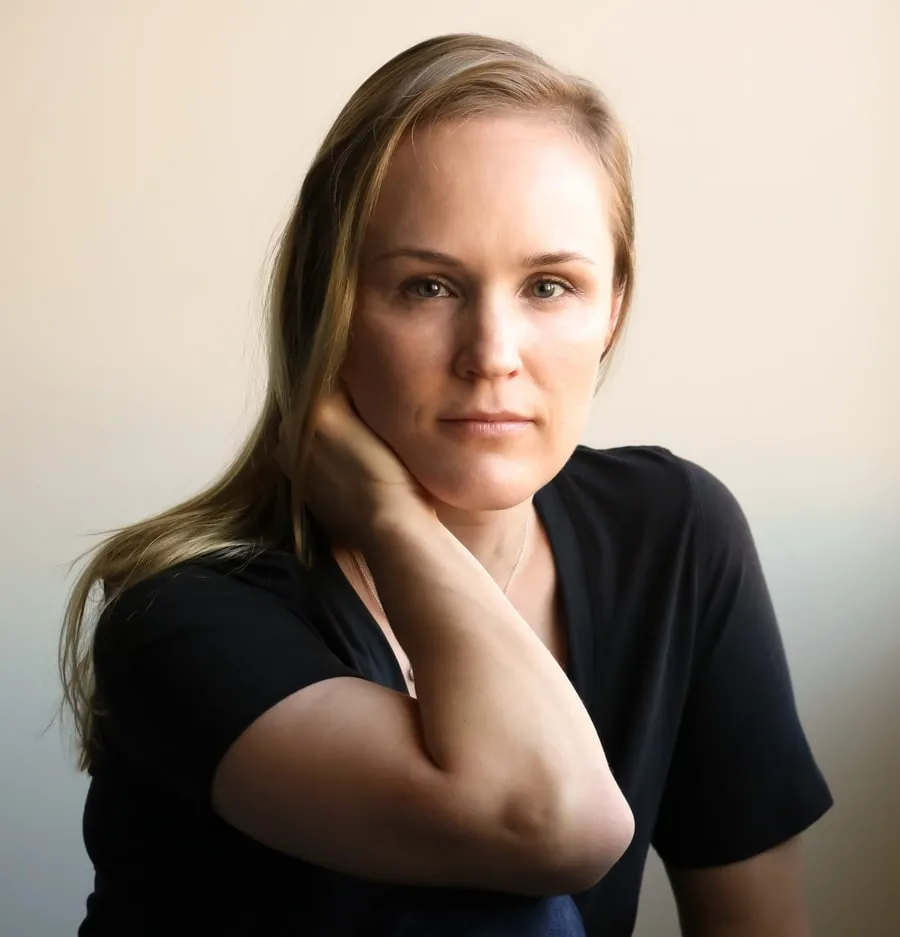
Kate M. Wassum, PhD
Kate Wassum is a Professor of Psychology at UCLA and Associate Director of Research for the UCLA Brain Research Institute. She is a behavioral and systems neuroscientist whose research seeks to understand how the brain learns about rewarding events and uses those memories to motivate behavior and guide decisions.
Kate earned her B.S. in Psychology with Honors and Distinction from the University of North Carolina at Chapel Hill, where she began studying rapid dopamine signaling with R. Mark Wightman and Regina Carelli. She received her Ph.D. in Neuroscience from UCLA, working with Bernard Balleine and Nigel Maidment on the neurochemical mechanisms of reward valuation and goal-directed behavior, and subsequently completed postdoctoral training at UCLA investigating dopamine signaling during reward seeking and cue-motivated behavior. She joined the UCLA Psychology faculty in 2011 and became Professor in 2021.
Beyond her laboratory, Kate plays an active role in neuroscience leadership, training, and scientific publishing. She is a Senior Editor at both eLife and The Journal of Neuroscience, previously chaired the NIH Neurobiology of Motivated Behavior Study Section, and leads UCLA’s NIDA-funded Translational Neuroscience of Drug Addiction Training Program. She served as the Wenzel/Jeffrey Term Chair in Behavioral Neuroscience from 2020–2025 and received a Brain & Behavior Research Foundation Distinguished Investigator Award in 2024.
Kate is deeply committed to mentorship and to creating an environment in which trainees can develop as rigorous, creative, and independent scientists. Her former trainees have gone on to careers across academia, government, and industry and have received numerous NIH, NSF, and foundation fellowships.
Teaching is also a central part of Kate’s role at UCLA. She teaches undergraduate and graduate courses spanning learning, motivation, behavioral and systems neuroscience, experimental design, and grant writing. Her approach emphasizes connecting fundamental principles of behavior to the neural mechanisms that support them, while also pulling back the curtain on the “hidden curriculum” of science—helping students learn not only scientific concepts, but how to navigate scientific training, communicate their ideas, pursue opportunities, and build successful careers in science.